How to Learn Languages by Watching Movies with Real-time Subtitles
Turn movie nights into language lessons. Learn how watching foreign films with real-time subtitles can accelerate your language learning journey.
Table of Contents
- Why Movies Are Perfect for Language Learning
- The Traditional Subtitle Problem
- How Real-time Subtitles Transform Learning
- Practical Tips for Movie-Based Language Learning
- The Best Content for Each Language
- Getting Started Today
- Frequently Asked Questions
The Joy of Learning Through Entertainment
There's something magical about learning a new language through movies. Unlike textbooks and flashcards, films immerse you in real conversations, cultural nuances, and authentic expressions that native speakers actually use.
For decades, language learners have known this secret. But there was always one problem: finding subtitles that match your level, or worse, waiting for fan translations that might never come.
What if you could watch any movie, in any language, and understand it instantly?
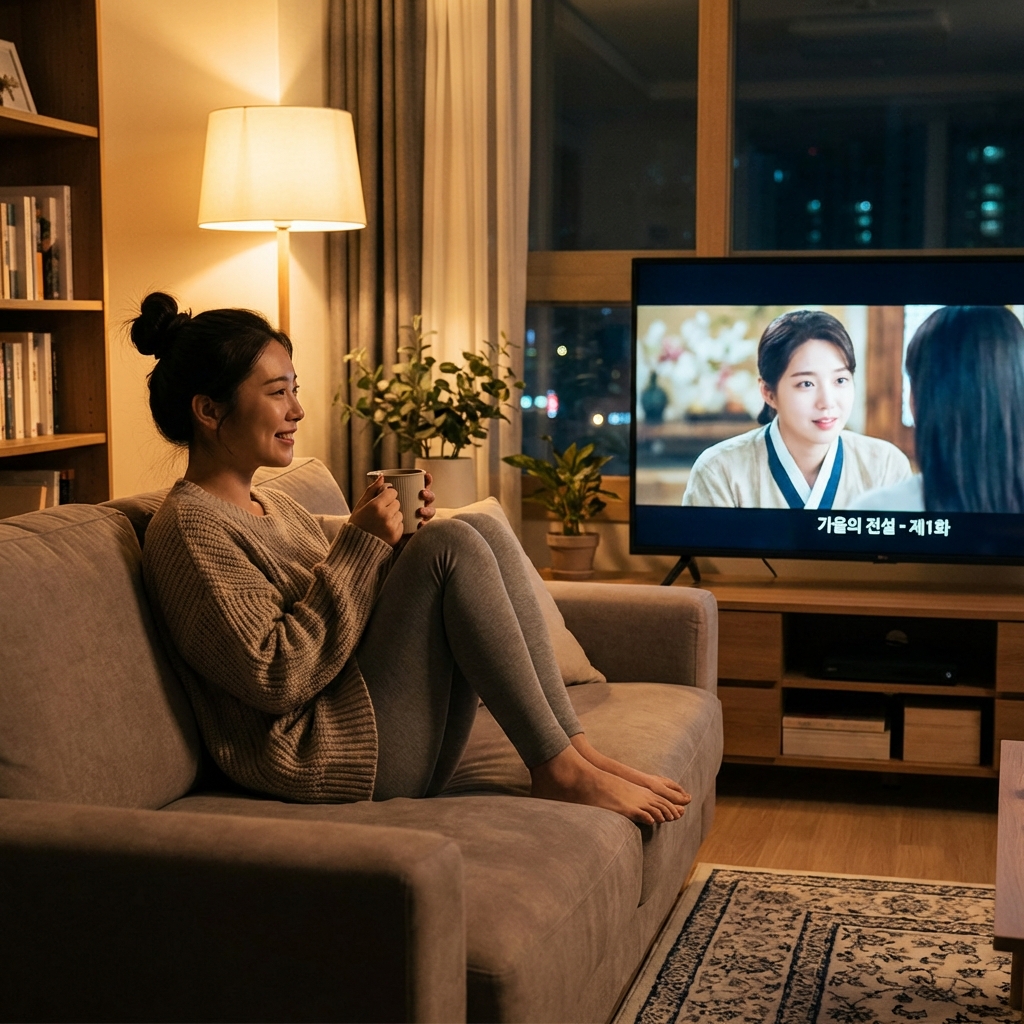
Why Movies Are Perfect for Language Learning
1. Context Makes Everything Click
When you hear "Bonjour" in a French classroom, it's just a word. When you hear it in a film, you see the time of day, the relationship between speakers, the facial expressions, and the cultural context. Your brain makes connections that no vocabulary list can provide.
2. Real Speech, Real Speed
Movies expose you to how people actually talk — with contractions, slang, mumbling, and interruptions. This is far more valuable than the slow, clear speech in language courses.
3. Emotional Engagement
When you're invested in a story, your brain works harder to understand. That emotional engagement creates stronger memory pathways than rote memorization ever could.
4. Cultural Immersion
Language doesn't exist in a vacuum. Through films, you absorb cultural references, humor, and social norms that are essential for true fluency.
The Traditional Subtitle Problem
Here's the challenge language learners face:
- No subtitles: You're lost, frustrated, and learning nothing
- Native language subtitles: Your brain reads instead of listening — minimal learning
- Target language subtitles: Often not available, especially for niche content
- Waiting for translations: New content takes months or years to get subtitles
This is where real-time transcription changes everything.
How Real-time Subtitles Transform Learning
Step 1: Watch Content You Actually Enjoy
The best language learning material is content you would watch anyway. Love Korean dramas? Japanese anime? French cinema? Spanish telenovelas? Start there.
Step 2: Get Live Transcription in the Original Language
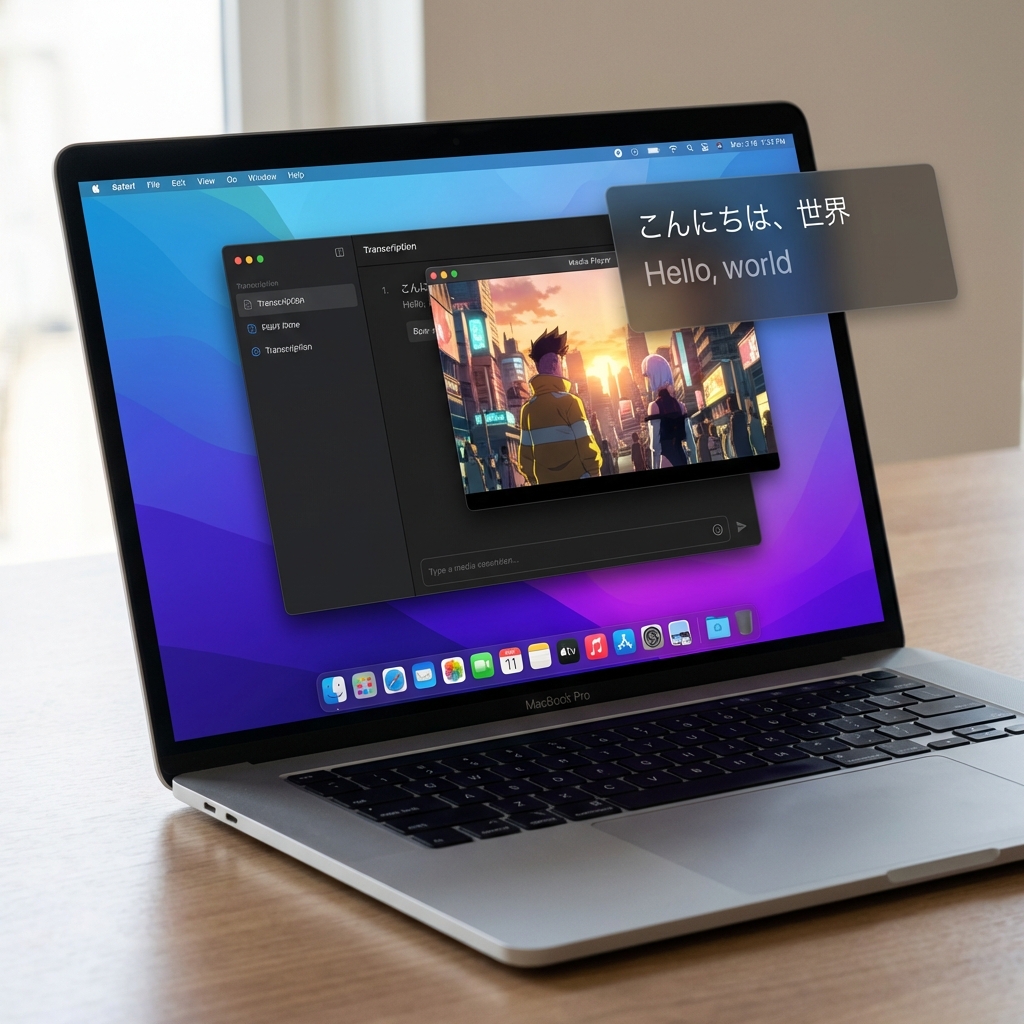
With tools like FluentCap, you can capture any audio playing on your computer and get real-time transcription. This means:
- No waiting for subtitles
- Accurate, AI-powered transcription
- Works with any streaming service, local files, or even live content
Step 3: Add Translation When Needed
For beginners, seeing both the original text and translation side-by-side accelerates comprehension. As you improve, you can rely less on translation and more on context.
Step 4: Replay and Study Difficult Sections
Unlike live TV, you control the pace. Pause, rewind, and replay sections until they click.
Practical Tips for Movie-Based Language Learning
For Beginners
- Start with children's content — simpler vocabulary, clearer speech
- Watch with translation first to understand the story
- Re-watch without translation to test your comprehension
- Keep a vocabulary journal of new words and phrases
For Intermediate Learners
- Choose dialogue-heavy dramas over action films
- Focus on one speaker you find easier to understand
- Mimic their pronunciation by pausing and repeating
- Watch content from different regions to hear accent variations
For Advanced Learners
- Turn off subtitles entirely for most watching
- Use subtitles only for unfamiliar vocabulary
- Watch live content like news or interviews
- Discuss what you watched with language partners
The Best Content for Each Language
| Language | Recommended Content | Why It Works |
|---|---|---|
| Japanese | Anime, J-dramas | Clear enunciation, varied genres |
| Korean | K-dramas, variety shows | Natural conversations, cultural depth |
| Spanish | Telenovelas, Spanish films | Emotional dialogue, diverse accents |
| French | French cinema, documentaries | Rich vocabulary, cultural immersion |
| Mandarin | C-dramas, variety shows | Modern vocabulary, casual speech |
| German | Dark (Netflix), Tatort | Complex narratives, clear speech |
Getting Started Today
You don't need expensive courses or years of study to start understanding foreign content. Here's a simple path:
- Choose one show in your target language that genuinely interests you
- Set up real-time transcription with FluentCap or similar tools
- Watch 15-30 minutes daily — consistency beats intensity
- Track new vocabulary you encounter
- Celebrate small wins — understanding a phrase, catching a joke
The goal isn't perfection. It's making language learning enjoyable enough that you actually stick with it.
Thank You to Our Providers
FluentCap's real-time transcription is made possible by amazing speech-to-text providers who believe in making technology accessible:
- Deepgram: Offers $200 in free credits (~750 hours of transcription)
- AssemblyAI: Provides $50 in free credits (~140 hours)
- Gladia: Gives 10 free hours every month
- Shunya: Offers $100 in free credits (~300 hours)
When your free credits run out, we encourage you to support these providers. Their pricing is incredibly fair — just $0.15-0.40 per hour, which is 60-80% cheaper than traditional subscription apps. They deserve your support for making this technology accessible to everyone around the world.
Frequently Asked Questions
Can I really learn a language just by watching movies?
Movies are a powerful supplement, not a complete replacement for language learning. They excel at listening comprehension, vocabulary in context, and cultural understanding. Combine them with speaking practice and grammar study for best results.
How many hours of watching equals fluency?
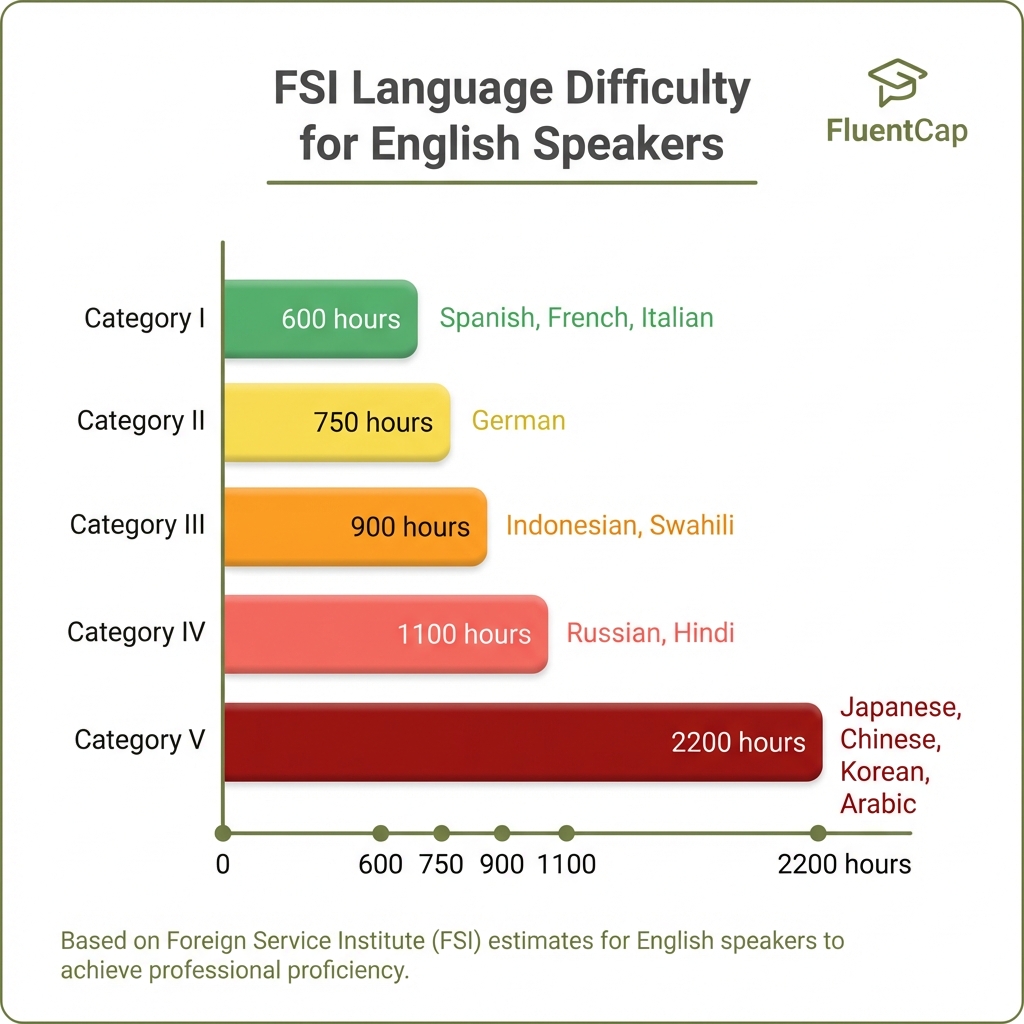
According to the U.S. Foreign Service Institute (FSI), achieving fluency requires 600-2,200 hours of study depending on the language difficulty. At 1 hour of movies per day, that's 2-6 years — but every hour counts, and the journey itself is enjoyable.
Which language is easiest to learn through movies?
For English speakers, Spanish, French, and Italian have the most cognates (similar words). However, the "easiest" language is the one you're most motivated to learn.
Do I need special software?
For basic subtitles, streaming services often provide them. For real-time transcription of any audio, tools like FluentCap capture system audio and generate live subtitles in 100+ languages.
Start Your Language Learning Journey
Language shouldn't be a barrier to enjoying the world's amazing content. With real-time transcription, you can turn every movie night into a learning opportunity.
The stories, the laughter, the tears — they're all waiting for you. No more waiting for subtitles. No more missing the nuance. Just you, great content, and a world of languages to explore.
We built FluentCap to bring good things to the world. And we believe understanding each other, across all languages, is one of the best things we can do.
Ready to start? Download FluentCap and watch your first foreign film with real-time subtitles tonight.
Related Articles
More ways to use FluentCap for language learning:
- Watch Foreign Movies with Real-Time Subtitles — Enjoy films from any country with instant translations
- Free Transcription: 750+ Hours Available — Maximize your free credits from providers
- Real-Time Captions for Accessibility — Making audio accessible for everyone
— FluentCap Team
Every conversation. Every language. Understood.